
Description
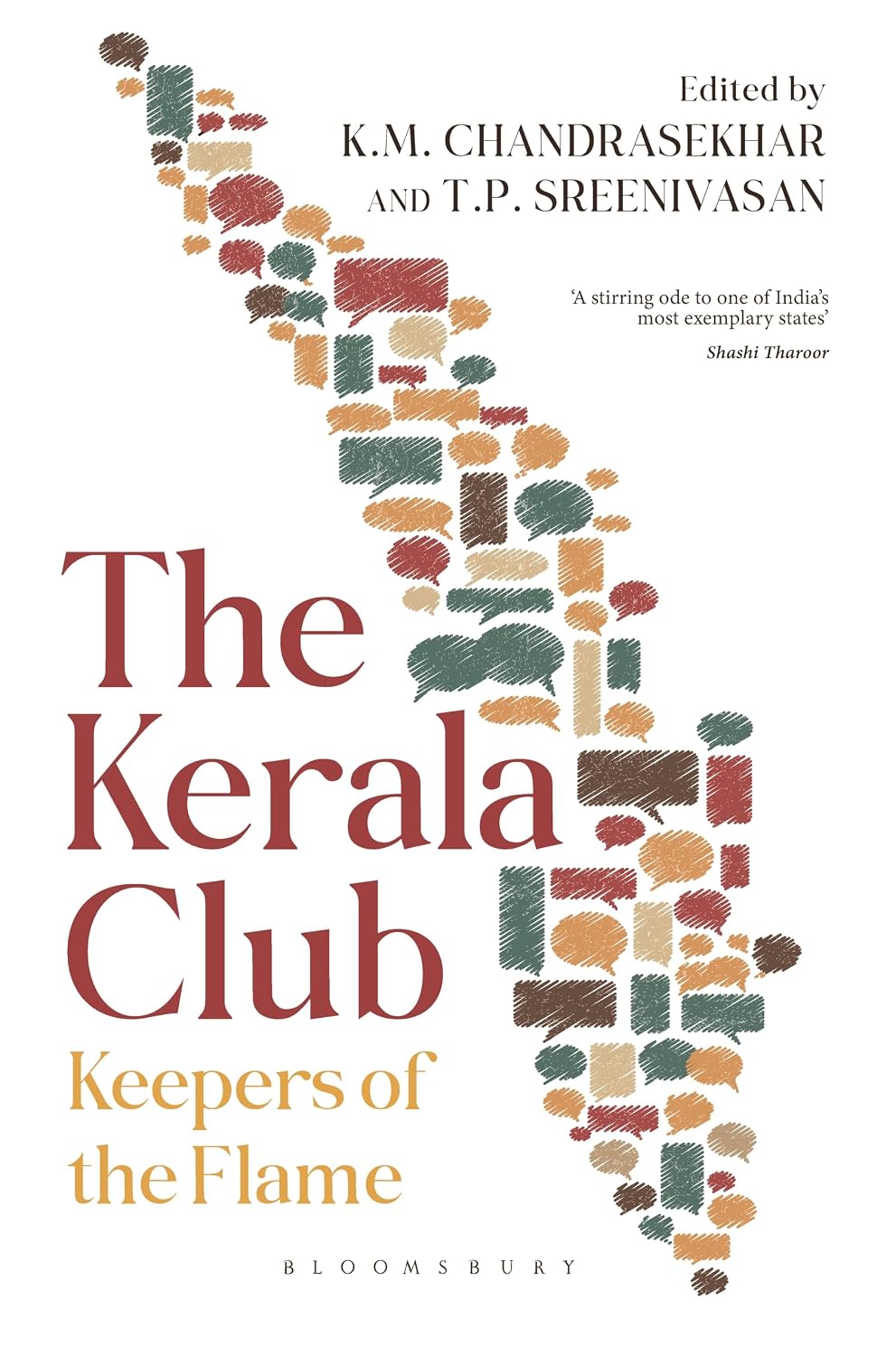
What lies beneath the celebrated ‘Kerala model’?Long admired for its high literacy rates, robust healthcare system and impressive human development indicators, Kerala is often presented as one of India’s greatest development success stories. Yet behind this global reputation lie deeper challenges—economic stagnation, unemployment, migration pressures, governance paradoxes and growing social tensions.The Kerala Club is a rare and insightful examination of one of India’s most debated states, its achievements, contradictions and unresolved dilemmas.Featuring candid and experience-rich essays by senior and retired civil servants closely associated with Kerala’s administration, this book offers an insider perspective on how the state has been shaped from within. Drawing from decades of governance and policymaking experience, the contributors reflect on:The successes and limitations of the ‘Kerala model’Public administration and governance challengesEconomic development and policy paradoxesLocal self-governance and decentralisationPolicing, forestry and institutional reformsMigration, social change and political realitiesThe evolving role of civil servants in modern IndiaEdited by K.M. Chandrasekhar, former Cabinet Secretary of India, and T.P. Sreenivasan, former Vice Chairman of the Kerala State Higher Education Council, this compelling volume combines institutional memory with intellectual honesty.Both analytical and deeply personal, The Kerala Club is at once a chronicle, critique and candid conversation about governance, bureaucracy and the future of Kerala.An essential read for policymakers, administrators, scholars, students of public policy, aspiring civil servants and readers interested in Indian politics, governance and contemporary Kerala.