
Description
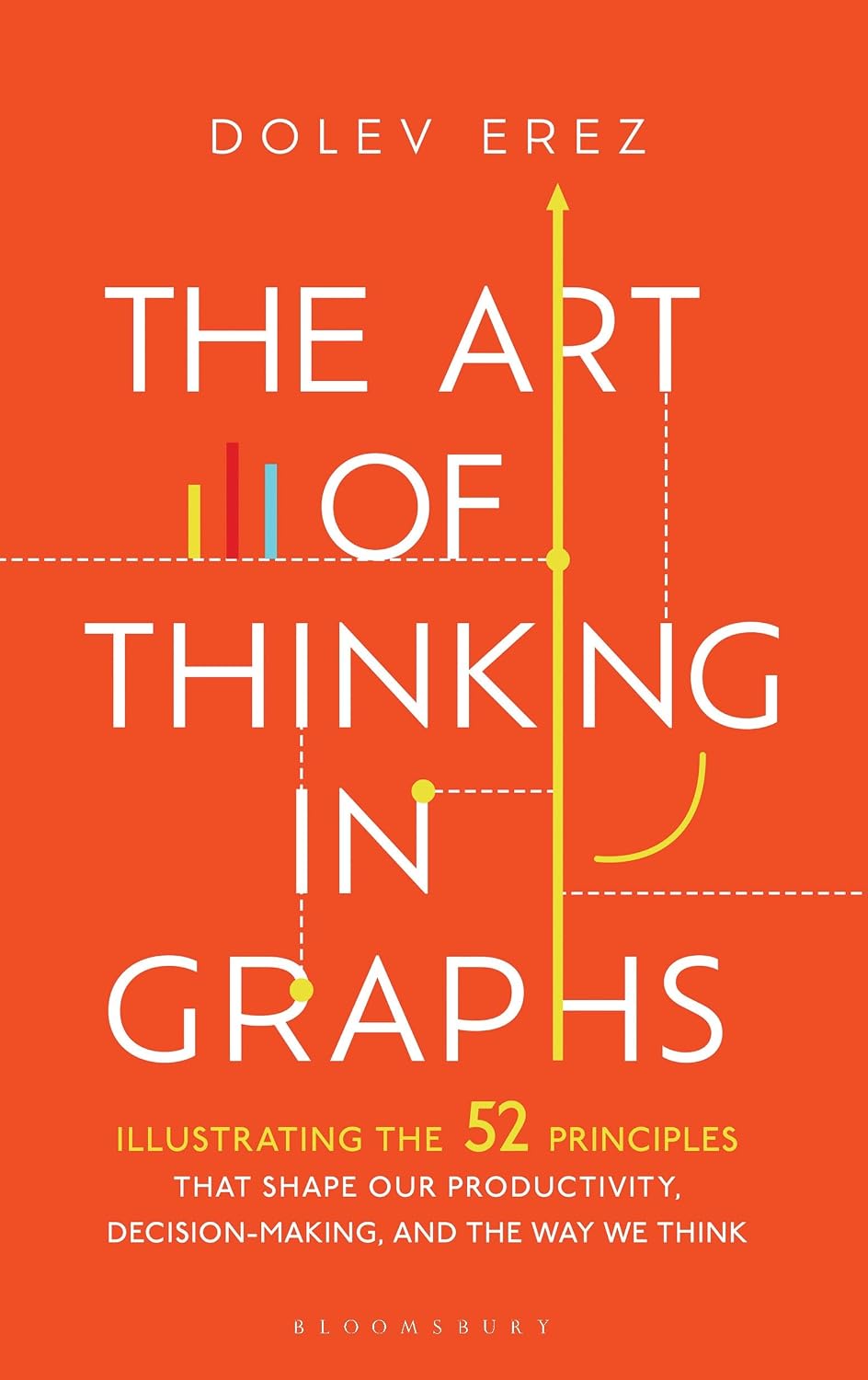
Why do smart people make bad decisions? Why does confidence often peak before true competence? Why does productivity collapse under pressure? Every day, we make hundreds of decisions about work, money, relationships, productivity, and success. Yet most of these decisions are influenced by invisible psychological patterns, cognitive biases, and behavioural principles that we rarely notice.The Art of Thinking in Graphs transforms complex ideas from psychology, behavioural economics, sociology, and decision science into clear, visual graphs that make powerful concepts instantly understandable.Instead of long theories and dense explanations, this book presents 52 powerful visual mental models that reveal how our minds actually work and how we can think more clearly, make better decisions, and improve our productivity.Inside this book, you will discover:The Dunning–Kruger Effect – Why beginners often feel more confident than expertsThe Pareto Principle (80/20 Rule) – Why a small amount of effort drives most resultsDecision Fatigue – How too many choices silently drain your productivityLoss Aversion – Why we fear losses more than we value gainsThe Yerkes–Dodson Law – Why stress can boost performance—until it suddenly destroys itThe Happiness–Income Curve – Why more wealth does not always mean more happinessThe Bystander Effect – Why people fail to act even when help is neededThrough these 52 carefully designed graphs, you will learn how to:Make smarter and more rational decisionsRecognise common cognitive biasesImprove productivity and focusUnderstand human behaviour and motivationApply mental models to real-life problemsThink more clearly about success, work, and lifeCombining insights from psychology, behavioural economics, philosophy, and decision-making science, this visually driven guide bridges the gap between academic research and everyday thinking.If you enjoyed books like Thinking, Fast and Slow, Atomic Habits, or The Psychology of Money, this book will give you