
Description
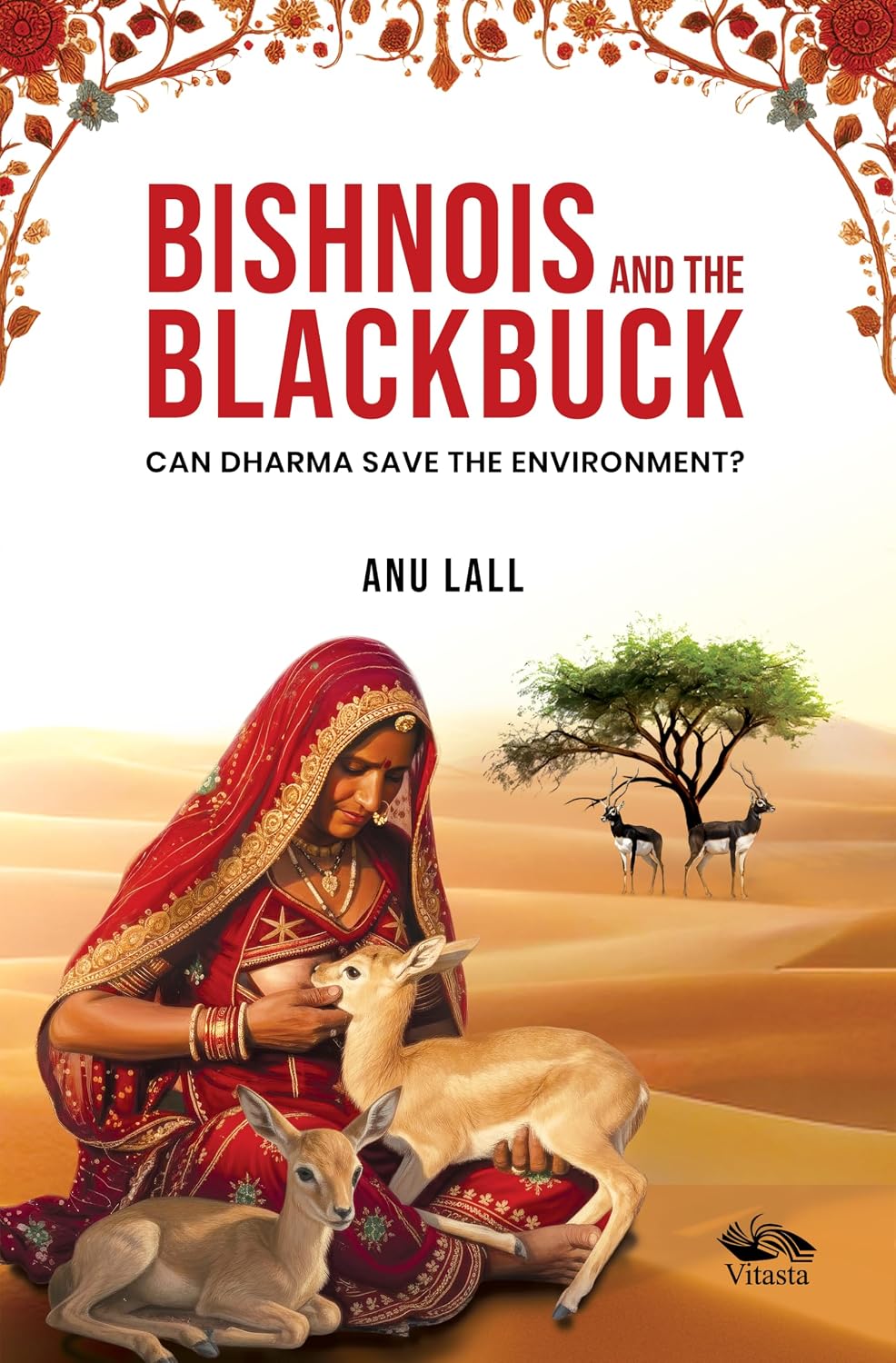
About the Book What if a solution to the global environmental crisis already exists—and has been practised in Bharat for over 500 years? Bishnois and the Blackbuck uncovers a remarkable history of sacrifice, from the Khejarli massacre of 1730 to contemporary courtroom battles. Time and again, the Bishnoi community has laid down its lives to protect trees, animals, and the natural world, embracing each sacrifice as martyrdom rather than tragedy. Blending ecology, faith, and law, Bishnois and the Blackbuck challenges dominant Western conservation models with a bold assertion: the future of environmental protection may lie in ancient, indigenous wisdom.This is not armchair activism. This is dharma in action.Why Read This Book?Explores the Bishnoi community’s 500-year-old environmental philosophyReframes the blackbuck poaching case within a civilizational and ethical backdropConnects dharma, ecology, religion, and environmental conservationChallenges the exclusive reliance on Western frameworks of environmentalismEssential reading for anyone interested in environment, sustainability, and indigenous wisdomBishnois and the Blackbuck opens with the infamous blackbuck poaching case and examines how an entire community stood up against a superstar allegedly involved in the killing of blackbucks. For the last 26 years, the case has remained sub judice. Yet the resilience of the Bishnois has puzzled the nation. Why were they willing to confront power, fame, and the legal system for the life of a wild animal? Bishnois and the Blackbuck explores the Bishnoi philosophy, a Hindu Vaishnav sampradaya in which protecting the environment is regarded as a dharmic responsibility. For more than five centuries, the Bishnoi community—primarily from western Rajasthan, Punjab, and Haryana—has lived by a strict ecological code rooted in Sanatan Dharma. Over generations, hundreds of Bishnois have sacrificed their lives to protect wildlife, especially hirans (gazelles, chinkaras, and blackbucks